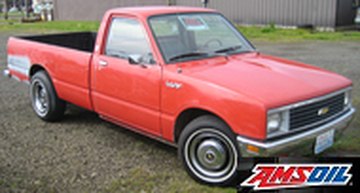
Lubrication Maintenance for the 1981 Isuzu PICKUP 1.8L
Maintaining the engine lubrication system in a vehicle like the 1981 Isuzu PICKUP with its 1.8L engine is a fundamental aspect of long-term mechanical care. Proper lubrication ensures that internal components operate with minimal friction, which helps manage heat and reduces unnecessary wear on moving parts. For an engine of this era, consistent attention to fluid condition and cleanliness is essential for sustaining operational integrity.
Monitoring Fluid Condition and Potential Leaks
A proactive approach to maintenance involves regular visual inspections of the engine area. When examining the 1.8L powerplant, owners should look for any signs of fluid seepage or active leaks. Even small amounts of oil appearing on the exterior of the engine block or around sealing surfaces can indicate that a gasket or seal may be aging and losing its ability to contain pressure.
It is helpful to inspect the area beneath the vehicle after it has been parked for an extended period. Any accumulation of fluid on the ground warrants further investigation to identify the source. Additionally, checking the appearance of the oil itself can provide useful information. If the lubricant appears excessively dark, gritty, or contains visible particulates, it may suggest that the oil is heavily contaminated or that service is overdue. While a certain level of darkening is expected as oil undergoes thermal cycles, significant changes in texture or color should be noted during routine checks.
Managing Engine Longevity Through Consistent Service
For owners of a 1981 Isuzu PICKUP, establishing a reliable maintenance baseline is one of the most effective ways to manage the vehicle's health. If service records from previous years are unavailable, performing a thorough initial inspection and documenting all subsequent fluid changes can help create a clear history of the engine's care. This documentation is invaluable when determining if the engine is consuming more lubricant than usual or if maintenance patterns are shifting.
As vehicles age, the requirements for monitoring components may shift from purely preventive to condition-based. Rather than assuming parts must be replaced due to the vehicle's age, focus on the actual state of the hardware. For example, inspecting accessible hoses and belts—if equipped—for signs of cracking, glazing, or fraying is more effective than following a generic timeline. Similarly, checking electrical connections for corrosion or tightness ensures that the engine's support systems remain reliable.
Observing Potential Warning Signs
While many lubrication issues are identified through visual inspection, some may manifest as operational symptoms. It is important to recognize that various symptoms can have multiple underlying causes, and a single sign does not always point to one specific component failure. However, certain observations should prompt closer scrutiny:
- Changes in lubricant consumption: If you find yourself needing to add oil more frequently than in the past, this may indicate an issue with internal seals or other components that warrants investigation.
- Unusual mechanical noises: Any new or persistent sounds coming from the engine area during operation should be evaluated by a professional.
- Visible exhaust observations: Changes in the color or consistency of exhaust gases can sometimes be associated with how the engine is managing its internal fluids.
- Warning indicators: If the dashboard features any oil-related warning lights, these require immediate attention to prevent potential damage.
When these signs appear, they should be treated as prompts for a diagnostic check rather than definitive proof of a specific part failure. A professional inspection can help determine whether the symptom is related to lubrication, cooling, or another mechanical system.
Practical Inspection of Engine Accessories
Beyond the engine itself, several peripheral components play a role in the overall health of the 1.8L engine. If the vehicle is equipped with various drive belts, these should be inspected for signs of deterioration such as surface cracking or fraying. Such wear can affect how accessories are powered and may lead to unexpected service needs.
If the system includes cooling-related components like hoses, checking them for softness, swelling, or leaks is a prudent part of a routine inspection. Maintaining the integrity of these systems helps ensure that the engine operates within its intended thermal range, which in turn supports the stability of the engine oil. Furthermore, ensuring that the air filtration system is clean and free of debris helps prevent contaminants from entering the combustion process, which indirectly protects the lubrication system from premature degradation.
Prioritizing Maintenance Tasks
Effective ownership involves distinguishing between necessary repairs and elective maintenance. For a 1981 Isuzu PICKUP, priorities should be dictated by the current condition of the vehicle. If active leaks or significant fluid consumption are detected, these should be addressed before focusing on other minor cosmetic or non-essential improvements.
Reviewing any available repair history can help you identify if certain components have been recently serviced, allowing you to focus your attention on areas that may have been neglected. By concentrating on addressing active warning signs and maintaining a consistent schedule for fluid and filter changes, you can manage the vehicle's maintenance needs in a way that is both practical and cost-effective.
Buying Engine Oil for the 1981 Isuzu PICKUP 1.8L
When it is time to replenish or change the lubricant in your 1981 Isuzu PICKUP 1.8L, the most important step is to ensure the product matches the specific requirements of your engine. Rather than relying on general automotive knowledge or assumptions based on the vehicle's age, you should always refer to the application-specific viscosity and oil information provided on this webpage.
Before making a purchase, carefully check the product labels to verify that the oil meets the necessary standards for your specific engine. Depending on your driving habits and the current condition of your engine, you may encounter various options such as conventional oils, synthetic blends, or full synthetic formulations. Some high-mileage oil formulations also contain additives intended for use in aging engines, including seal-conditioning additives. However, the choice should always be guided by the technical specifications listed in your vehicle's application data to ensure proper protection and performance.